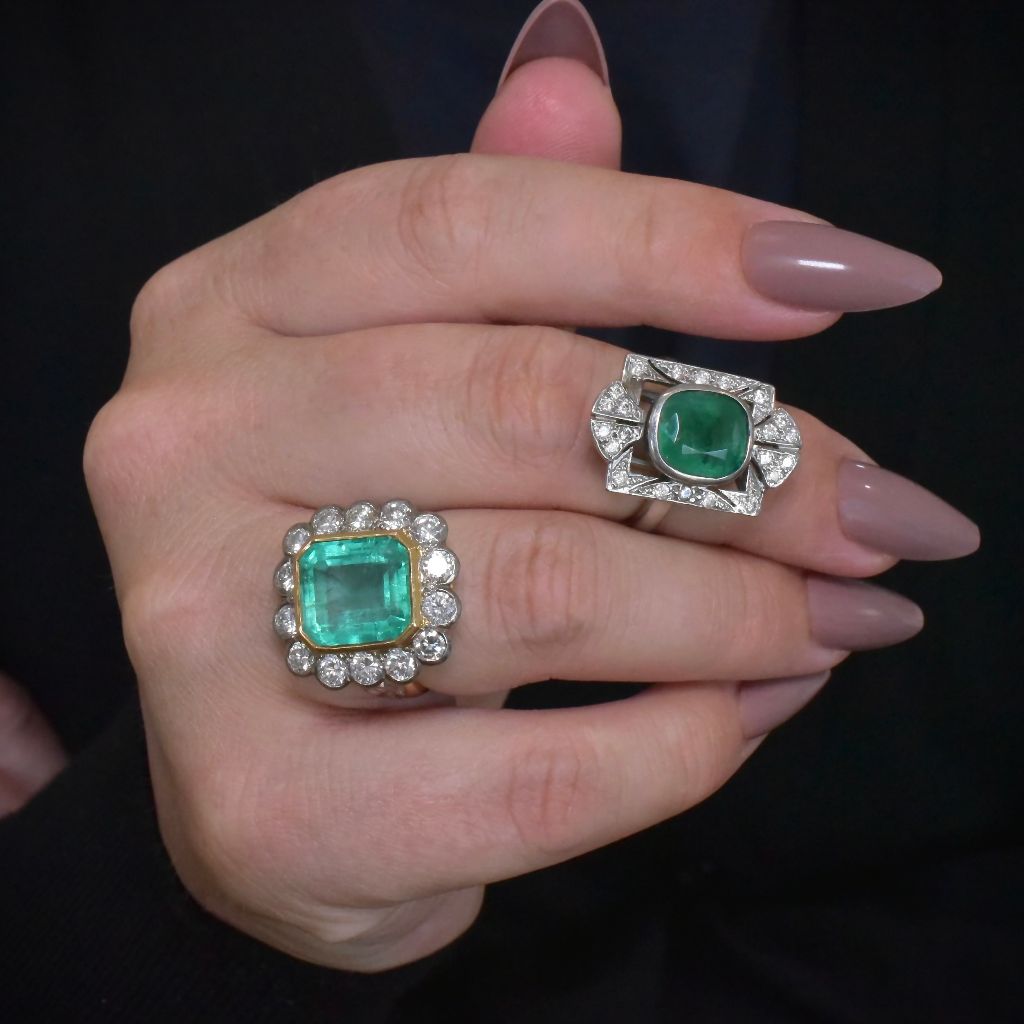
Hidden Stories and Provenance: Why Every Antique Piece Tells a Unique Tale
Explore Our Collection
Discover exquisite pieces that embody the elegance and craftsmanship discussed in this article.
Antique jewellery is more than metal, gemstones, and craftsmanship—it's a wearable archive of human history. At the heart of its allure lies provenance: the documented journey of ownership, origin, and custody that traces a piece from its creation through the centuries to the present day. Provenance transforms an object from a beautiful adornment into a tangible narrative, revealing connections to historical events, notable figures, or personal legacies.
Provenance matters because it establishes authenticity in an era rife with reproductions and forgeries. Detailed records—such as receipts, auction catalogues, family letters, or exhibition notes—distinguish genuine antiques from clever imitations. Collectors and institutions prize well-documented pieces, as they command higher values at auction; a strong provenance chain reduces uncertainty and adds credibility. Beyond financial worth, it infuses emotional depth: imagine wearing a diamond brooch once passed down through generations of a noble family, or a sapphire suite linked to 19th-century royalty.
Many antique jewels carry captivating stories that elevate their significance. For instance, certain historic pieces boast legendary provenance tied to scandals or coronations, such as items possibly connected to Queen Marie-Antoinette and the infamous "Affair of the Diamond Necklace," later part of prestigious collections and worn at events like the coronations of George VI and Queen Elizabeth. Another example involves a Padparadscha sapphire acquired by the influential DuPont family during a 1937 trip to Ceylon (now Sri Lanka), highlighting how provenance links gems to powerful industrial dynasties and exotic travels. Royal suites, like mid-19th-century sapphire and diamond sets from European nobility, often remain unaltered, preserving their original Belle Époque design and royal associations.
(SOLD) Superb Arts & Crafts Sterling Silver Parure By Zoltan White Circa 1930’s
Born in Hungary in the 19th century Zoltan White trained as a jeweller in Budapest, later moving to England and operated his company, Zoltan White & Co from c.1910 through to the 1940's. His jewellery is very much styled in the Arts & Crafts manner with strong undertones of the Austro-Hungarian influences given his childhood and background in Budapest.
Uncovering a piece's story begins with careful research. Start by examining hallmarks and maker's marks—tiny stamps indicating metal purity, assay office, date letters (in systems like Britain's), and the creator's identity. Use a jeweller's loupe to spot these on shanks, clasps, or backs. Reference books, online databases (such as those for British or French marks), and expert consultations help decode them. Auction records, family archives, or gemological reports can fill gaps, turning a mysterious heirloom into a documented heirloom.
(SOLD) Antique Georgian 9ct And Silver Diamond Enamel ‘Bague Au Firmament’ Ring Circa 1790-1800


These rings, popular in the late 18th century, featured a blue glass or enamel setting intended to evoke the night sky, often with diamond or paste diamonds representing the stars. They were particularly associated with Marie Antoinette and her husband, Louis XVI, and were seen as symbolic of love and joy.
(SOLD) Antique Georgian 12ct Rose Gold Sepia Mourning Ring 1785


This quite poignant Georgian ring is inscribed for a little chap who passed away at age 5 in the year 1785. John Causton was born on the 9th of October 1779 to Richard and Eliza Causton and died on 1st of May 1785. He is buried at St Bent Fink but sadly it seems that this graveyard was destroyed due to developments.

(SOLD) Antique Victorian 14ct Gold and Bloodstone Intaglio Fob Wax Seal
Colonial Australian family crest belonging to the Cox family, either for Edward Standish Esquire of Fernside Rylstone NSW or the Hon. George Henry, J.P. of Winburn, Member of the Legislative Council.
In today's world, antique jewellery also appeals for its sustainability. Choosing pre-owned pieces reduces demand for new mining, which often causes environmental harm like habitat destruction and pollution. By giving existing treasures new life, buyers support a circular economy, preserve rare craftsmanship, and embrace eco-conscious luxury—history you can wear without the footprint of modern production.
Ultimately, every antique piece whispers its own tale: of love, loss, power, or quiet endurance. Provenance ensures those whispers are heard clearly, turning jewellery into a bridge across time. Whether inherited or acquired, these items remind us that true value lies not just in sparkle, but in the stories they carry forward.
REFERENCES
1. Nelson & Nelson Antiques. "Exploring the Importance of Provenance in Antiquing." https://www.nelsonandnelsonantiques.com/blog/794/Exploring-Importance-Provenance-in-Antiquing
2. Forbes (Felicity Carter). "A Brief Guide To Vintage Jewelry." Published January 20, 2025. https://www.forbes.com/sites/felicitycarter/2025/01/20/a-brief-guide-to-vintage-jewelry
3. Susannah Lovis Jewellers. "Why Vintage Jewellery Is the Sustainable Choice." https://www.susannahlovis.com/features/why-vintage-jewellery-is-the-sustainable-choice